
Sports Injury Compensation – The Essential Facts You Need to Know
Playing sports is an effective way to stay fit and have a healthy lifestyle, but like any other physical activity, there is a risk of injury. Even with the very best preparation, accidents happen during sporting activities, especially if you’re playing a contact sport like football or rugby.
When you play a sport like this, there’s a degree to which you must accept the risk of injury. However, sometimes you can be injured in a way that exceeds what you might call natural risk –
where a third party’s malicious or negligent actions have led to your pain and suffering. In cases such as this, you may be entitled to compensation.
For example, you might be able to claim compensation for a sporting injury if:
- You were injured as a result of poor upkeep of the playing location, such as a gym, stadium or track
- You were injured due to poorly maintained equipment or kit (where this is supplied and maintained by a third party)
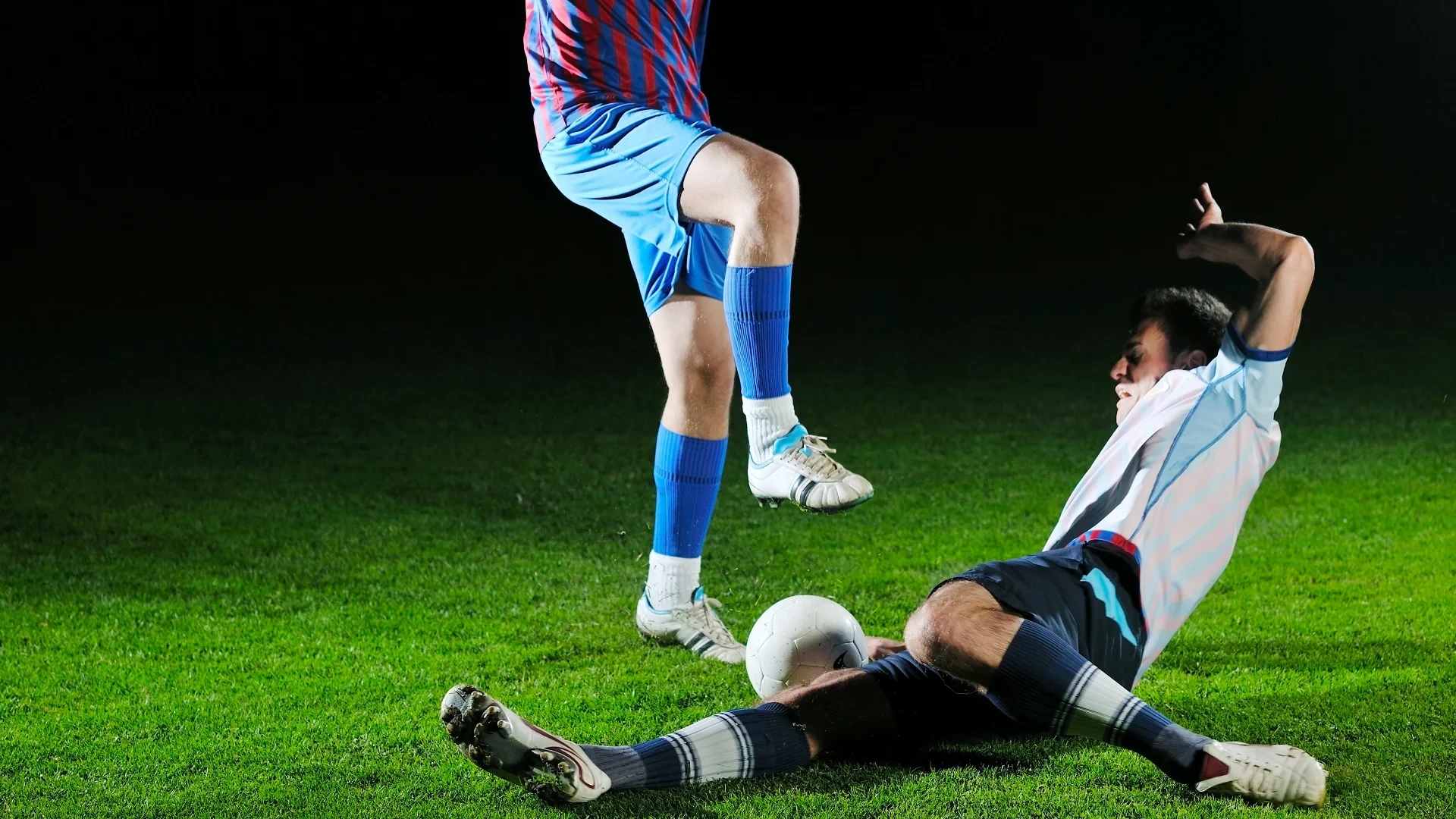
- You were injured in the course of malicious behaviour from a third party, such as a bad tackle in a football game
- You were injured as a result of negligence from an official, such as if a referee failed to reprimand someone behaving irresponsibly, which led to your injury.
Most kinds of injuries could lead to compensation in this way. These include:
- Slipping on the steps in a sports facility with poor or broken lighting
- Suffering a muscle injury as a result of a broken weights machine
- Being exposed to asbestos in a sports facility that should have had it removed.
Sports injury compensation isn’t just for the pros. Whether you compete in an amateur league or in a more widely recognised competition, you’re still entitled to compensation if you’re injured while playing and it wasn’t your fault – even if you were just having a kickabout on a Sunday afternoon.
In fact, you could even be entitled to compensation if you were a spectator. This usually happens if there is poor crowd control or inadequate health and safety measures in a spectator area such as the stands – but if you’re not sure whether you’re entitled to compensation, you should speak to a personal injury solicitor for their expert opinion.
While you may be entitled to compensation regardless of where your injury takes place, it’s worth knowing that if it happened at a venue where you pay to play, the owner has a responsibility. They’re legally required to ensure the venue is fit for purpose, including making sure that all equipment and locations are well-maintained and correctly installed.
If you’ve been involved in a sporting injury that wasn’t your fault, you should:
- Gather medical evidence of the injuries sustained, including diagnosis and treatment details
- Take photos of the area where it happened, clearly showing the cause if possible
- Ask for any camera or video footage, or eyewitness accounts from people who were with you when the incident happened
- Speak to a personal injury solicitor about making a claim for compensation.
Working with a personal injury solicitor doesn’t guarantee you success, but it does increase your chances of receiving the compensation you deserve. Plus, it means you can take a step back from the hassle of making the claim and let them guide you through the process with their expert knowledge and experience in making such claims.
Make a sports injury claim by comparing the best solicitors.